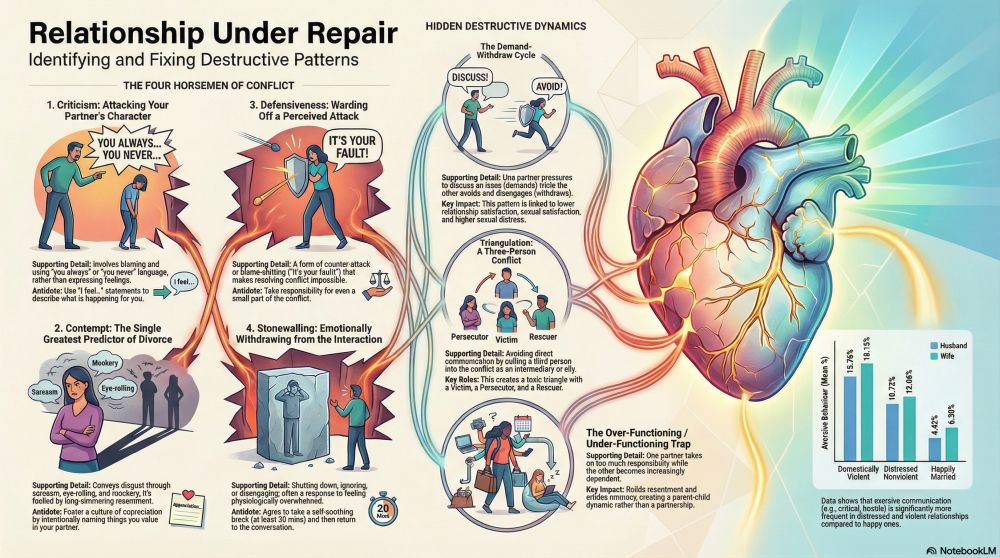
Introduction
Good relationship self-help involves practices and resources that foster personal growth, emotional balance, and positive interactions within romantic partnerships. Key strategies include nurturing self-compassion, seeking or providing supportive behaviours, using accessible self-help tools, and maintaining a healthy balance between personal and relationship needs.
Core Elements of Effective Relationship Self-Help
- Self-Compassion: Being kind to oneself during difficulties leads to more caring, supportive, and less aggressive behaviour in relationships. Self-compassion is a stronger predictor of positive relationship behaviour than self-esteem or attachment style, and it helps increase relationship satisfaction—especially when individuals express their feelings rather than self-silence.
- Supportive Partner Behaviours: Nurturing, action-oriented support from a partner (rather than criticism or invalidation) enhances both relationship quality and personal growth. Receiving more help from a partner predicts greater relationship satisfaction and self-improvement.
- Self-Regulation and Self-Control: Actively working on the relationship (self-regulation) is linked to higher satisfaction. Self-control helps maintain a healthy balance between personal and relationship needs, promoting well-being for both partners.
Accessible Self-Help Tools
- Online Programs: Web-based self-help interventions have been shown to significantly improve relationship satisfaction for both individuals and couples, offering a practical and accessible alternative to traditional therapy.
- Books and Digital Resources: Many people benefit from relationship-focused self-help books and online materials, especially after breakups or during times of distress. These can be used independently or alongside professional support.
- Mobile Apps and Journals: Guided relationship apps and reflective journaling tools can help couples track emotional patterns, gratitude, and communication habits.
Special Considerations
- Attachment Styles: For individuals with avoidant attachment styles, engaging in positive, intimacy-promoting activities can reduce negativity, increase relationship quality, and encourage self-disclosure over time.
- Cultural and Gender Context: Relationship expectations and emotional expression differ across cultures and genders; self-help strategies should adapt to these differences for effectiveness.
- Timing and Readiness: Relationship self-help is most effective when both partners are emotionally open to change rather than reacting defensively or assigning blame.
Conclusion
Effective relationship self-help combines emotional awareness, evidence-based tools, and intentional effort. Building self-compassion, fostering mutual support, and maintaining autonomy within connection help individuals and couples thrive. By integrating these principles, people can create healthier dynamics, manage conflict constructively, and sustain emotional intimacy over time.
Key Takeaways
- Self-compassion improves empathy and relationship satisfaction more reliably than self-esteem.
- Mutual support—both giving and receiving—predicts long-term relationship success.
- Digital self-help tools can meaningfully supplement therapy and support relationship growth.
- Balance between individuality and connection is essential for emotional health.
- Continuous self-work strengthens both personal well-being and relationship resilience.